

In early childhood education, tracing worksheets are among the most effective tools for developing essential pre-writing skills. These activities allow children to follow lines, shapes, and patterns, helping them strengthen hand-eye coordination and build fine motor control. Learning to trace is not only about drawing lines — it’s about preparing young learners to write, draw, and recognize symbols confidently.
During the preschool years, children are forming the foundation for future literacy and numeracy. Practicing tracing teaches them patience, precision, and focus. Each worksheet gives them a sense of achievement as they complete shapes, letters, or numbers. Beyond that, tracing promotes independence, helping kids gain confidence before they start formal handwriting lessons.
The Importance of Pencil Control in School Education
In school education, one of the first milestones for preschoolers is learning to hold and control a pencil correctly. Through consistent tracing activities, children strengthen the small muscles in their fingers, wrists, and hands. This muscle control is essential not only for writing but also for cutting, coloring, and other fine motor tasks.
However, children often face challenges at first — such as pressing too hard, gripping the pencil incorrectly, or losing focus quickly. Teachers and parents can guide them by modeling how to hold the pencil gently yet firmly. Using letter tracing worksheets and name tracing worksheets with clear dotted lines helps them practice pressure control naturally. The goal is to make tracing feel easy and enjoyable, not forced.
Stages of Learning to Trace
Learning to trace is a gradual process that evolves as the child’s coordination and understanding grow. In the beginning, preschoolers start with basic tracing lines — straight, curved, or zigzag patterns — to establish directionality and rhythm. Next, they move to shape tracing worksheets, where they follow circles, triangles, and squares. These shapes become the foundation for future letters and numbers.
Once children are comfortable with shapes, they progress to alphabet tracing worksheets and number tracing worksheets, connecting each symbol with sound and meaning. Finally, they can practice tracing simple words or their own names using free name tracing worksheets for preschool. Each step prepares them for the next, building confidence and mastery through repetition and play.
Integrating Tracing into the Daily Routine
Making tracing part of a child’s daily routine doesn’t have to feel like homework. Instead, it can be seamlessly included in playtime. For example, children can trace letters in sand, flour, or even air with their fingers. Parents can encourage tracing by turning it into a game — following dotted paths, connecting points, or completing mazes.
These creative activities allow kids to practice letter tracing worksheets in different textures and settings. The key is to create a relaxed environment where children feel motivated to learn rather than pressured to perform.
Strategies for Teachers in Early Childhood Education
For educators, tracing worksheets are powerful classroom resources. Teachers can incorporate them into learning centers, group rotations, or quiet-time activities. By adapting tracing lines to suit each child’s ability, teachers ensure that every student experiences success.
Progress can be observed by noting smoother strokes, better line alignment, and improved posture. Evaluating tracing should never be about perfection; it’s about effort, coordination, and gradual improvement.
Tips for Parents at Home
Parents play a vital role in reinforcing what children learn at school. At home, the focus should be on encouragement rather than correction. A well-lit, comfortable workspace and the right materials—like triangular pencils, thick crayons, or washable markers—make a huge difference.
Allow children to experiment freely with create name tracing worksheets or free name tracing worksheets to personalize their practice. Praising small efforts helps build motivation and a lifelong love for learning.
Types of Tracing Worksheets and Their Benefits
There are many forms of tracing activities, each targeting different developmental skills. Tracing lines enhances coordination and visual tracking. Tracing shapes helps children identify and differentiate geometric forms. Letter tracing worksheets develop literacy, while number tracing worksheets introduce basic counting and numerical awareness.
Additionally, picture tracing—such as tracing animals or simple objects—stimulates creativity and encourages storytelling. Each type of tracing worksheet strengthens both cognitive and motor skills in unique ways.
Cognitive Skills Developed Through Tracing
Beyond the visible progress in handwriting, tracing enhances crucial cognitive abilities. It improves visual attention, memory, and spatial awareness. Children learn directionality—understanding that writing moves from left to right and top to bottom.
When tracing letters like “A” beside a picture of an apple, they begin to link images with sounds and meanings, reinforcing early literacy. In this way, tracing worksheets serve as a bridge between observation and comprehension.
Making Tracing Fun and Engaging
Children learn best when they enjoy the process. To make tracing more exciting, parents and teachers can introduce colorful materials or assign each line a different color. Combining tracing with coloring or adding stickers as rewards encourages creativity and perseverance.
Story-based tracing activities also work wonders. For instance, kids can “follow the hero’s path” through dotted lines or “help the animal reach its home” by tracing a curvy trail. When learning feels like play, children stay motivated and focused longer.
It’s important to recognize when a child is ready to move from simple lines to letters and numbers. Signs of progress include smoother tracing, better pencil grip, and consistent directionality. If a child becomes frustrated, it’s best to pause and return to easier exercises.
Positive reinforcement is key — celebrate every small improvement to build confidence. Progress in tracing directly reflects overall growth in attention span and motor coordination
Connection with Other Areas of Learning
Tracing connects naturally with other areas of early education. It supports reading and writing readiness, introduces geometric thinking, and fosters creativity. When children trace letters, shapes, or numbers, they strengthen their ability to recognize patterns — a skill essential for both language and math.
Teachers often integrate free name tracing worksheets for preschool into vocabulary lessons, linking visual symbols with spoken words. Likewise, tracing helps children express themselves artistically, blending art, literacy, and logic into a single joyful learning experience.
In early childhood education, tracing is much more than drawing lines — it’s the beginning of communication, imagination, and self-expression. Each tracing worksheet a child completes is a small step toward independence and confidence.
By turning tracing into a positive, engaging, and creative experience, both parents and teachers help children build not just writing skills, but a lifelong love of learning.
Explore our collection of alphabet tracing worksheets, name tracing worksheets, and number tracing worksheets to make every day a fun learning adventure!
Tracing Line Worksheets
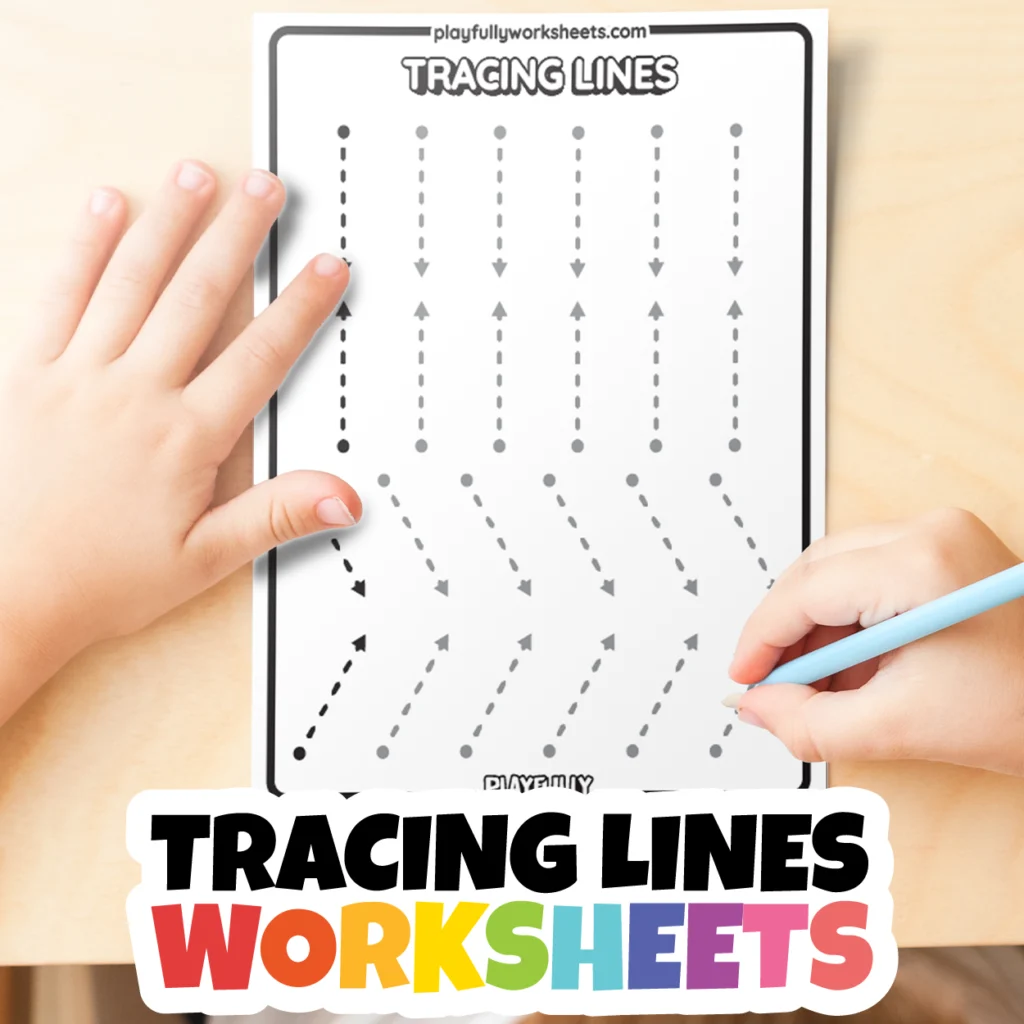
Get ready to draw with our Tracing Lines Worksheets! Here you’ll find lots of fun pages to practice drawing all kinds of lines. Firstly, trace straight lines, then try curvy ones, and even zig-zag lines! These Tracing Worksheets Free printablepages are perfect for helping little hands learn to control a pencil. Therefore, if you want to make your drawing strong and get ready to write letters, these Tracing Worksheets lines are just right for you. Download your free tracing pages and start tracing lines today!

Tracing Shapes Worksheets
Discover shapes with our Tracing Shapes Worksheets! This section has many fun pages where you can practice drawing circles, squares, triangles, and more. Firstly, trace the big shapes, then try smaller ones. Furthermore, these Tracing Worksheets Free printable pages are great for learning what different shapes look like and how to draw them. Also, they help your fingers get ready for writing. So, if you’re looking for simple ways to learn shapes, these Tracing Worksheets shapes are perfect. Download your free shape tracing pages and start drawing shapes now!
Letter Tracing Worksheets
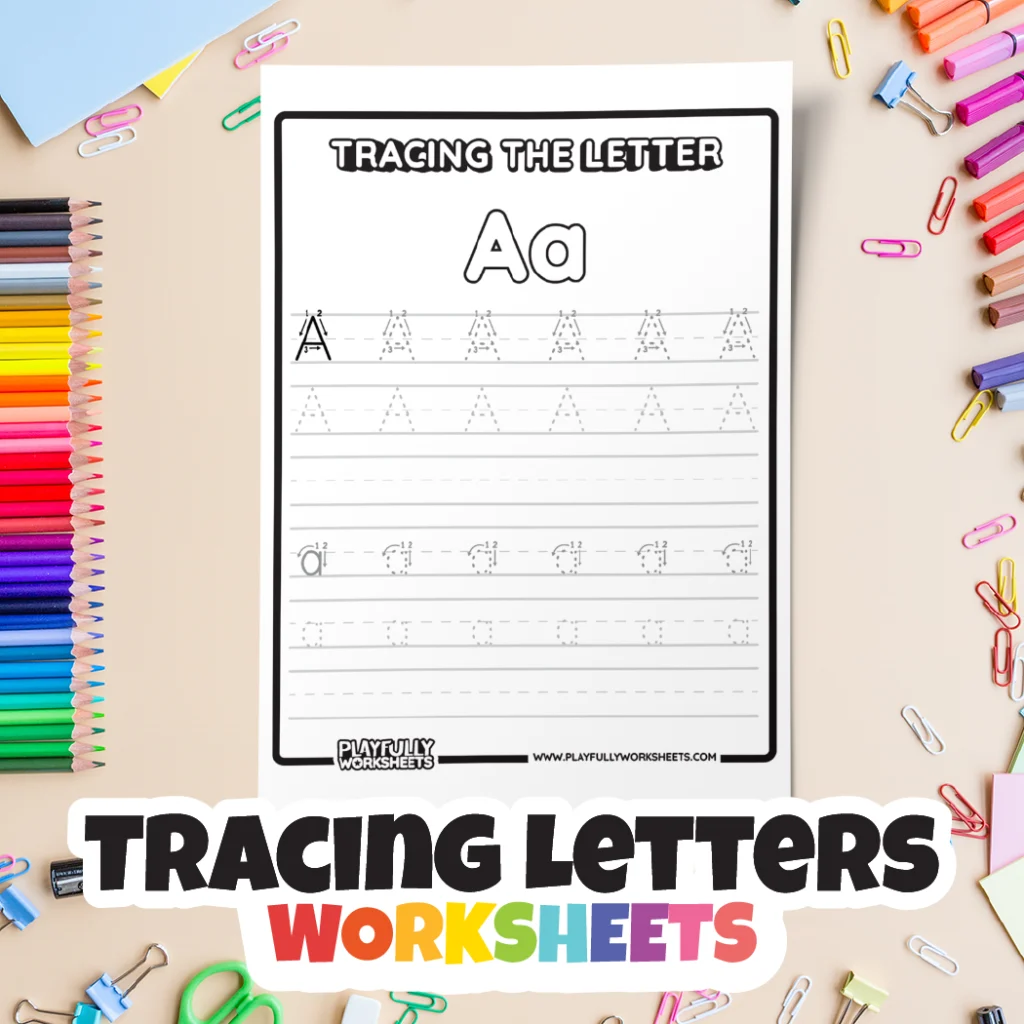
Help your child master the alphabet with our effective Letters Tracing worksheets! Here, children can easily trace letters from A to Z, practicing both uppercase and lowercase forms. Moreover, these alphabet tracing pages are crucial for developing pre-writing skills.
Please Note: You’ll be redirected to our comprehensive Letter Worksheets section where all these valuable tracing printables are available for download.
Number Tracing
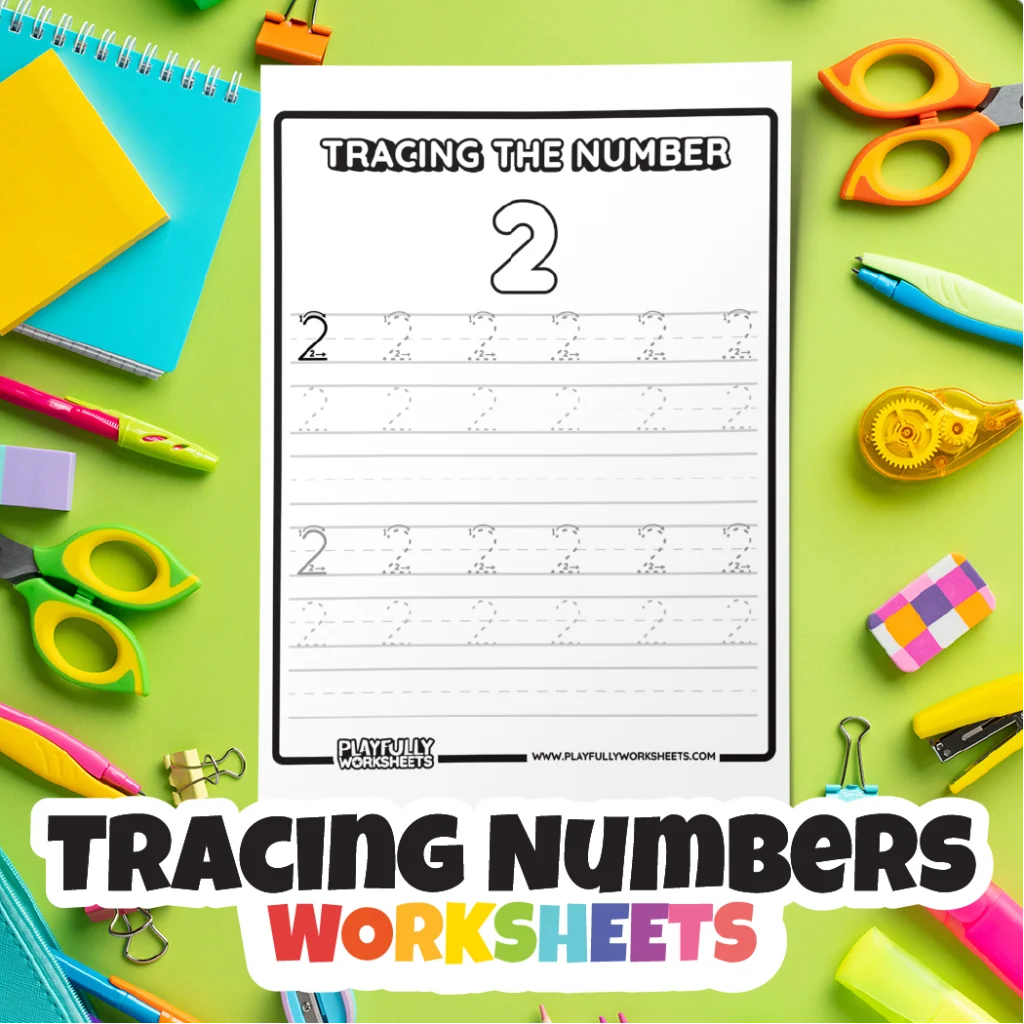
Boost early handwriting and numeral recognition with our focused Numbers Tracing worksheets! These printables guide children to confidently trace a number, from 0 to 9. Furthermore, practicing these tracing worksheet numbers builds essential fine motor skills.
Please Note: You’ll be redirected to our main Number Worksheets section where all these engaging tracing printables are located for download.
Tracing Skills Worksheets
Coming soon!
Name Tracing Worksheets
Our tracing worksheets name help children develop hand-eye coordination. Our PDFs are like a tracing name worksheet maker, so you can edit and add your children’s names.
Coming soon!