

When most people hear “reading worksheets,” they immediately think of a quick classroom task or a simple homework sheet. However, when we look a little deeper, these worksheets actually play a much bigger role in early literacy. They quietly reinforce essential skills like word recognition, phonics decoding, reading comprehension, fluency, and vocabulary growth. Even better, they help children connect spoken language with printed words in a way that feels natural and structured at the same time. This is why so many educators in early childhood education, school education, and even special education rely on them year after year.
Moreover, reading worksheets bring together several areas of literacy development that parents often hear about but do not always fully understand—phonics, CVC words, CVCe patterns, sight words, grammar, and simple comprehension. When combined intentionally, they build the foundation that later supports more complex reading skills, from tackling longer stories to understanding nonfiction texts in the upper grades. And because they’re flexible, families at home can use them just as effectively as teachers in the classroom.
The Role of Reading Worksheets in the Learning Process
Reading worksheets act as a bridge between what children can do with their voices and what they can decode with their eyes. As children begin learning phonics, they start recognizing sounds, blending them, and forming simple CVC words like cat, sun, and bed. Worksheets help them practice these skills repeatedly in a clean, organized space where their brains can slow down enough to truly understand what they are doing. With consistent practice, decoding starts becoming automatic instead of effortful, which is exactly what early readers need.
Furthermore, these worksheets strengthen patterns such as CVC and CVCe, both of which are crucial stepping stones toward fluent reading. The more children see these structures on paper, the more confident they become. And because many worksheets add a small dose of grammar—like identifying a noun, circling a verb, or adding a period—they support overall comprehension instead of focusing only on decoding. This integration is what makes them so powerful for kindergarten worksheets, kdg worksheets, and even early elementary grades.
How Reading Worksheets Build the Foundations of Phonics
Phonics is the heart of early reading, and reading worksheets make that journey easier, especially for young learners who need repetition without overwhelm. From identifying beginning sounds to blending three-letter words, worksheets guide children step by step. They might practice segmenting sounds in one activity, then blend them in another, followed by reading word families such as -at, -op, or -ig. Because the format feels predictable, kids get more comfortable experimenting and taking risks.
Additionally, worksheets support word pattern recognition, which is essential for decoding fluency. Children learn to notice that if they can read dog, they can read fog or log. This type of structured repetition strengthens neural pathways and sets children up for long-term reading success. As many educators say, “Math is fun, but reading is powerful,” and these math-like patterns in phonics really do help early readers thrive.
Why Structured Practice Helps Children Decode Words Faster
As children move through early childhood education, their brains need consistent exposure to short vowel sounds, long vowel patterns, blends, digraphs, and sight words. Reading worksheets offer exactly that. They provide a safe space where kids can slow down, practice decoding, and—most importantly—build confidence. At first, they start with simple CVC patterns. Then, naturally, they transition to CVCe words like cake, time, and rope. With time, these patterns become automatic, allowing children to read more fluidly.
Even better, structured practice reduces guessing. Many beginning readers try to guess a word based on the first letter, but worksheets intentionally repeat patterns so kids learn to read from start to finish. This shift in habit is one of the biggest milestones in early reading development. And because worksheets can be reused or adapted, teachers and parents always have a flexible tool ready to support the child’s next step.
Integrating Sight Words Without Overwhelming Children
While phonics is essential, sight words also play a huge role in reading. Worksheets help children learn common sight words in a gentle and controlled way. Instead of memorizing large lists, children see sight words embedded within short sentences, mini stories, and simple matching activities. This contextual exposure mirrors real reading, helping children understand how these words fit naturally into English.
Blending sight words with phonics-based words creates balanced readers. A child might decode the word sun, recognize the sight word the, and blend them into a short sentence like “The sun is hot.” When worksheets follow this pattern, they promote fluency instead of frustration, making them ideal for kindergarten activity sheets, kg activity sheets, and early literacy instruction.
Grammar within Reading Worksheets: Why It Matters Early On
It might seem early to introduce grammar in kindergarten or first grade, but tiny grammar tasks help children think about how language works. Reading worksheets often include activities like fixing a sentence, circling a noun, or adding a missing capital letter. Even though these skills are simple, they have a big impact on reading comprehension. Children start understanding how sentences are formed, what makes sense, and how ideas connect.
As a result, comprehension grows naturally. Instead of reading word by word, children begin to read “idea by idea.” This is one of the most important transitions in school education, supporting everything from 1st grade reading worksheets to 2nd grade reading comprehension and even 3rd and 4th grade reading comprehension later on.
Addressing Challenges: What to Do When a Child Struggles
Almost every child will struggle at some point—maybe confusing short vowels, forgetting a sight word, mixing up middle sounds, or reading word by word without fluency. Reading worksheets make it easier to pinpoint where the challenge is happening. Once you know whether the difficulty is phonics, memory, comprehension, or blending, you can give more targeted support.
Gentle correction, patient repetition, and emotional support make a world of difference. With consistent practice and encouragement, children eventually break through these reading bumps. Worksheets simply give them a predictable space to practice without judgment or pressure.
Reading worksheets are far more than quick assignments—they are powerful tools that help children develop decoding skills, phonics awareness, sight word recognition, grammar understanding, and early comprehension. Whether you’re a parent, a teacher, or both, integrating reading worksheets into daily learning can strengthen your child’s confidence and help them become fluent, joyful readers. And if you’re ready to get started, don’t forget to download our free reading worksheets from Playfully Worksheets to support your child’s learning journey with fun, simple, and effective activities.
Phonics
Learn letter sounds! Fun pages to help you hear and say sounds in words. Great for learning to read!
Coming soon
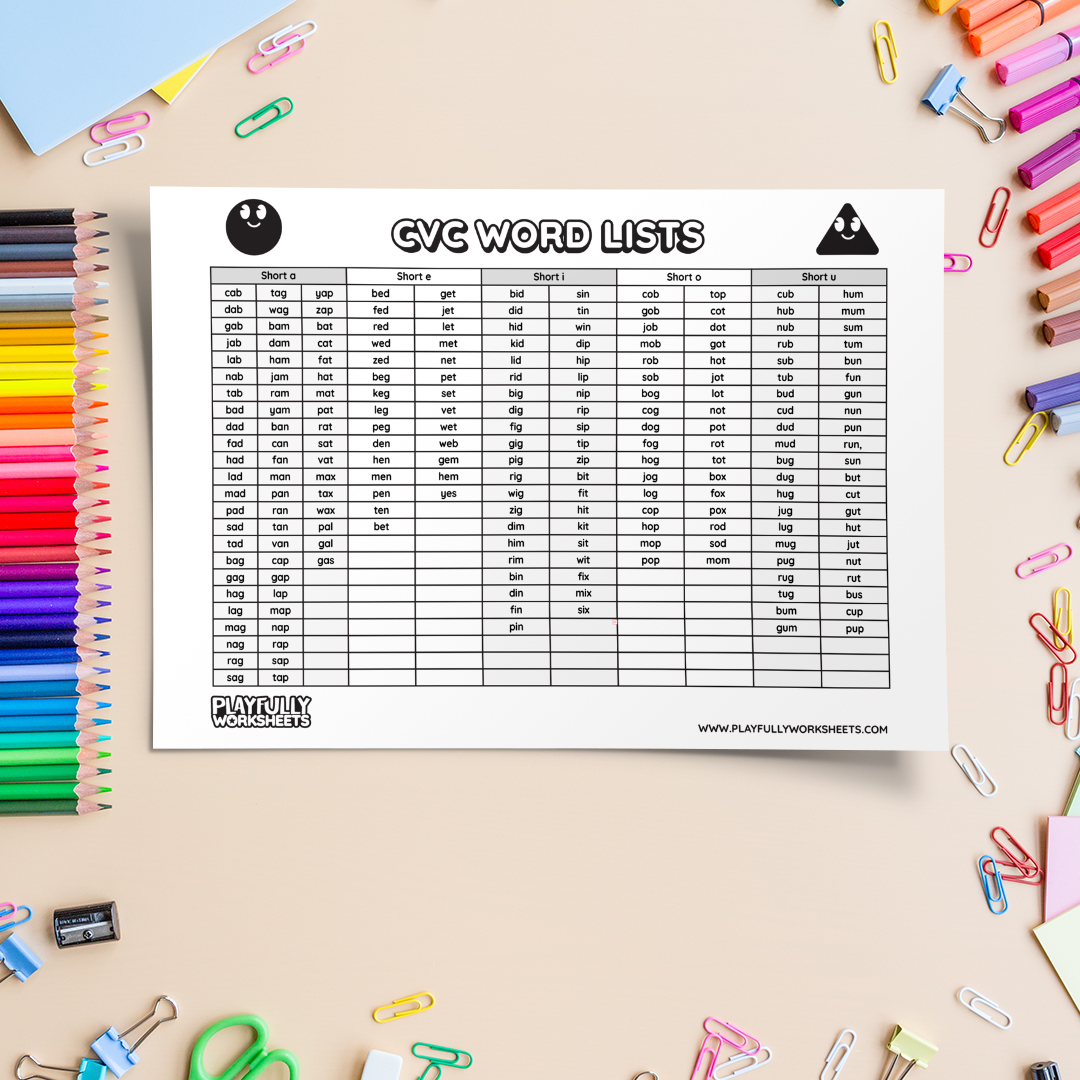
CVC Words
Sound out simple words! Learn words with a consonant, vowel, and consonant. Easy words to start reading!
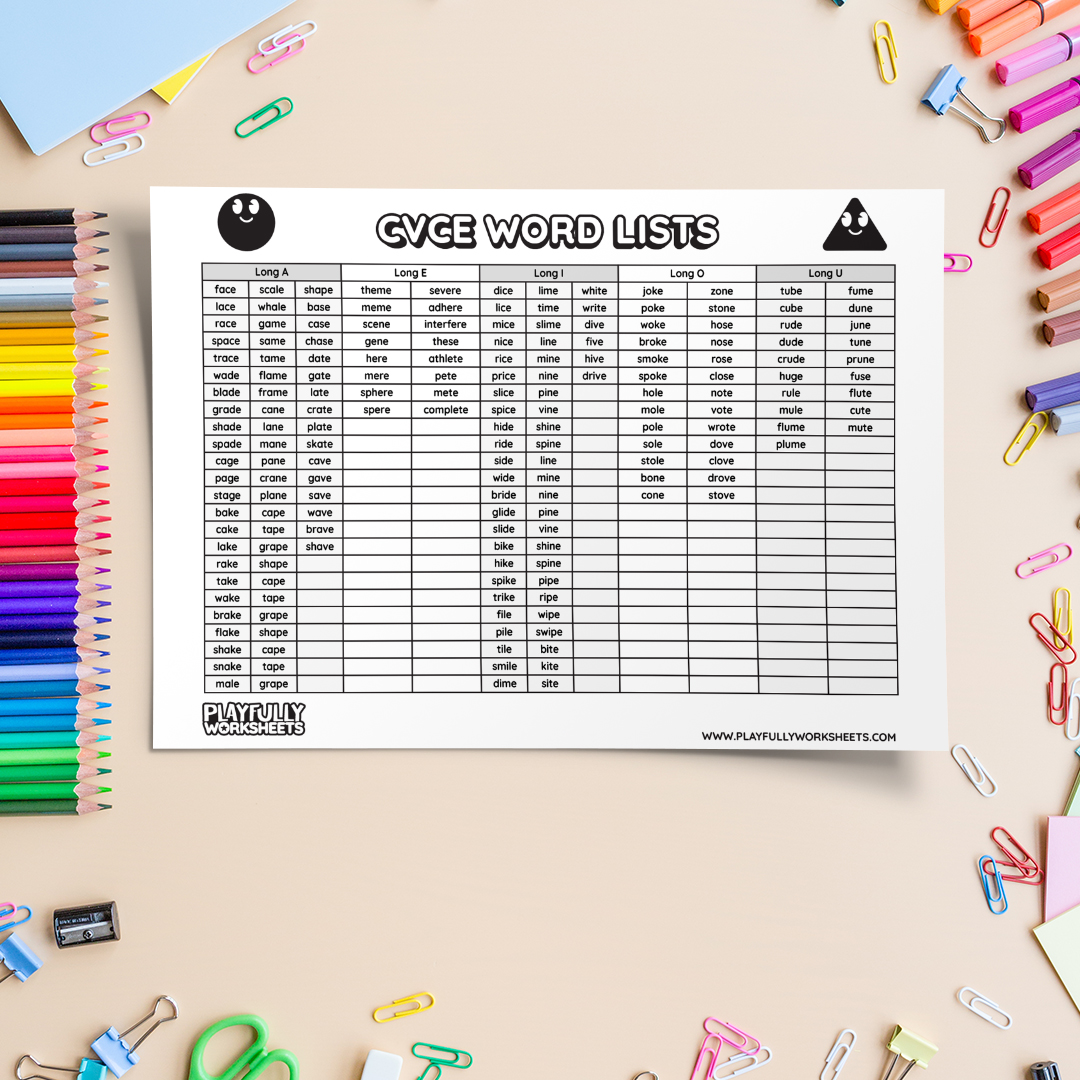
CVCE Words
Magic E words! Learn words with a silent ‘e’ that makes the vowel say its name. Fun ways to read longer words!
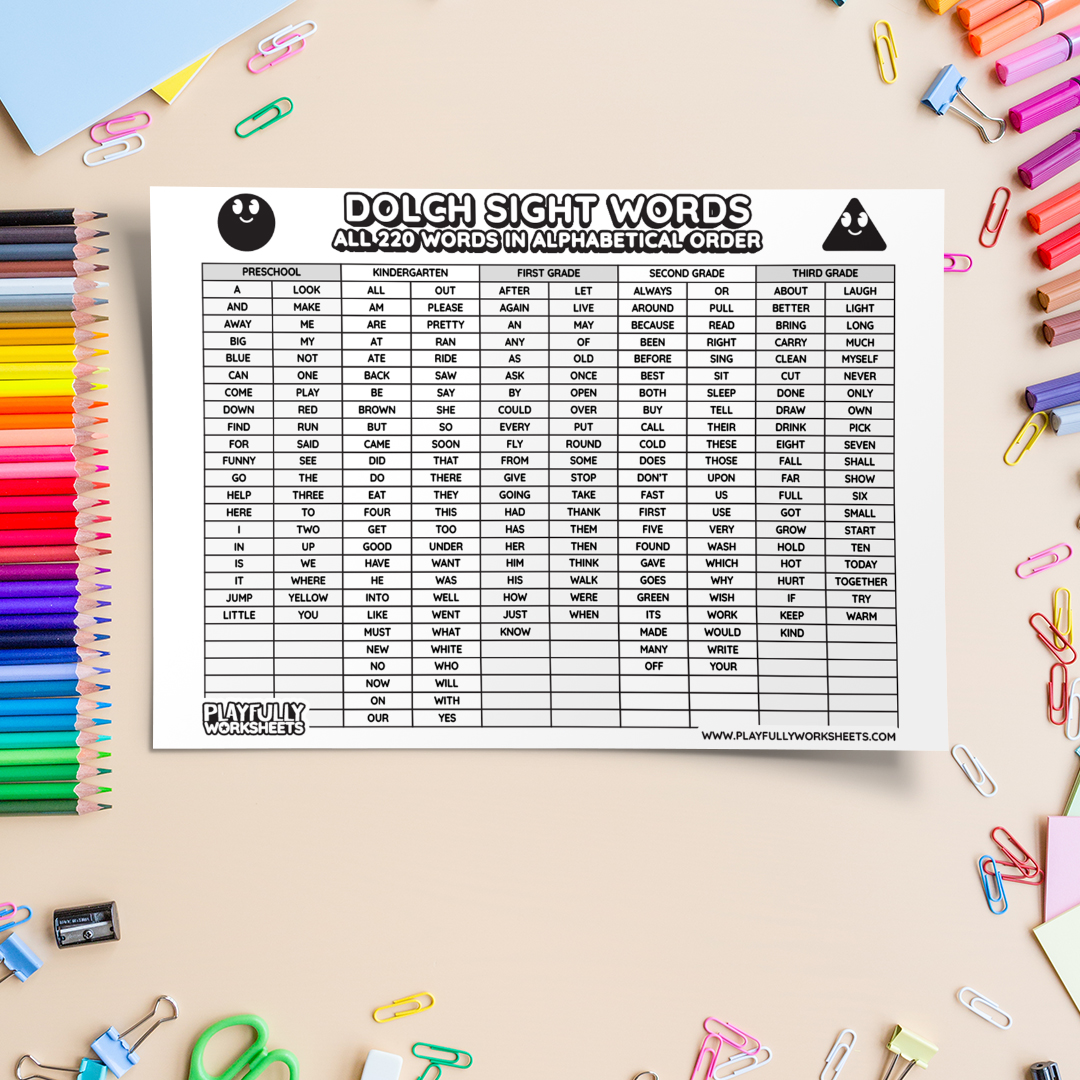
Sight Words
Learn tricky words! These words you just need to know. Fun practice to help you read them fast!
Grammar
Learn about words! Discover how words work in sentences. Fun pages to help you write and speak well!
Coming Soon